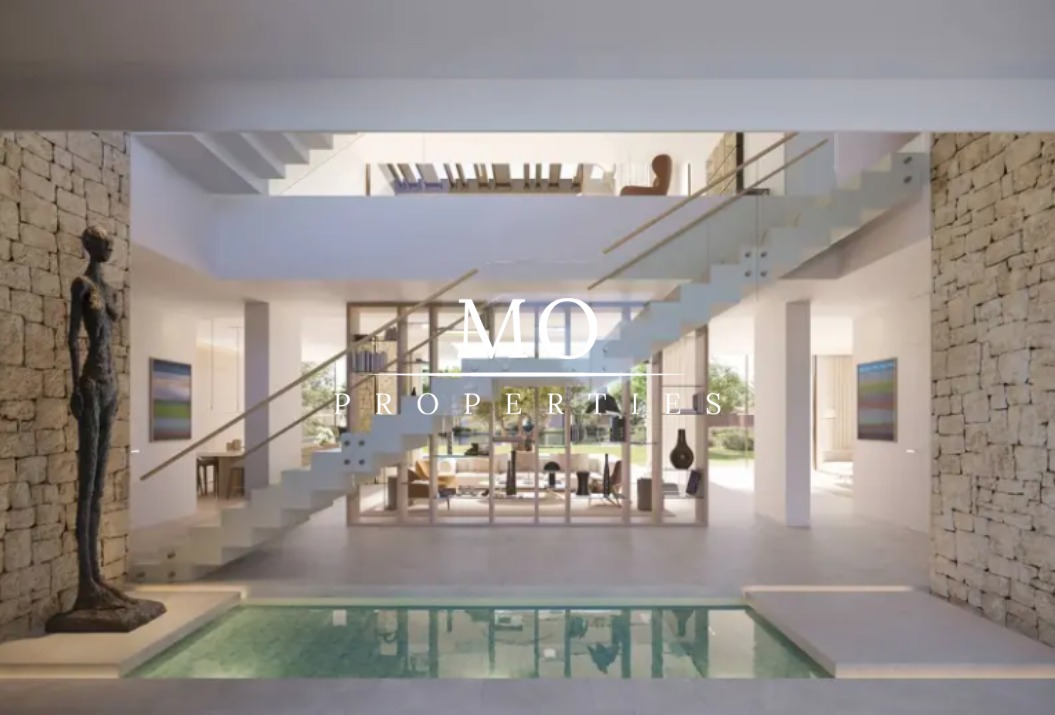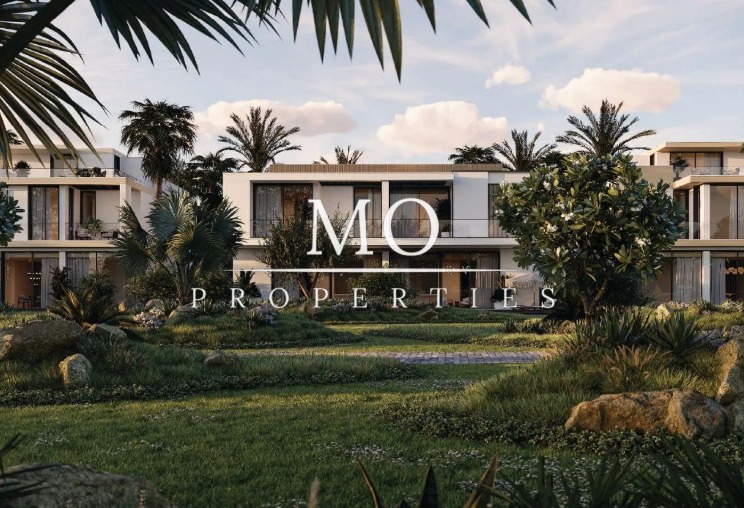
Dubai’s prime residential sector has entered a new structural phase. The conversation is no longer limited to square footage, waterfront views, or proximity to landmarks. Today, the defining differentiator in the ultra-prime segment is brand equity.
Over the last five years, Dubai branded residences have evolved from a niche concept into a dominant force within the luxury property Dubai landscape. Hospitality groups, haute couture fashion houses, automotive marques, and global design icons are actively partnering with developers to create residential products that command substantial pricing premiums—and consistently achieve strong absorption rates.
This article examines the drivers behind this shift, analyzes pricing and return dynamics, and profiles the buyers fueling demand.
What Are Branded Residences?
Branded residences are high-end residential developments affiliated with an established global brand. These partnerships typically fall into three categories:
- Hospitality-Led Brands – Operated or serviced by luxury hotel groups.
- Fashion & Lifestyle Brands – Designed and curated by global couture houses.
- Automotive & Design Collaborations – Integrating performance, craftsmanship, and aesthetics associated with elite car manufacturers or design studios.
In Dubai, hospitality-driven models remain dominant, but lifestyle-led branded projects are expanding rapidly.
Why Dubai Has Become a Global Hub for Branded Residences
Several structural advantages position Dubai as a leader in this segment:
- Zero income tax environment
- Strong rule of law and investor protection
- High concentration of UHNWIs relocating from Europe, CIS, Asia, and Africa
- Mature luxury hospitality ecosystem
- Lifestyle-driven demand (yachting, fine dining, private aviation)
Dubai is no longer just competing regionally—it is competing with London, Miami, and Monaco for global ultra-prime capital.
Pricing Premium: How Much More Do Buyers Pay?
The most important question for investors and brokers is quantitative:
Do branded residences justify their premium?
Observed Market Premium
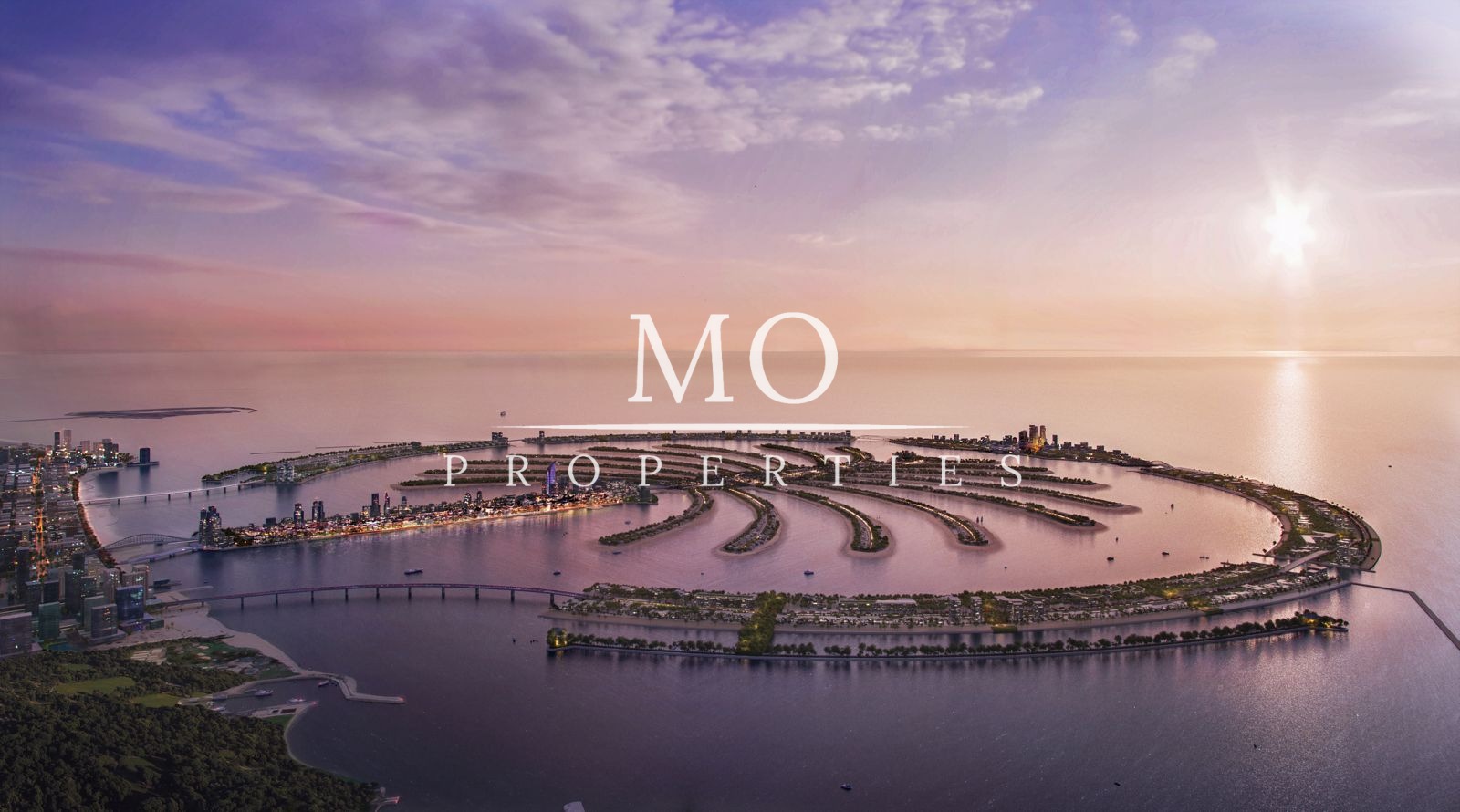
Across prime districts such as Palm Jumeirah, Downtown Dubai, and Dubai Marina:
- Branded residences typically command 15%–35% price premiums over comparable non-branded luxury stock.
- In ultra-prime waterfront projects, premiums can exceed 40% depending on brand prestige.
Why Buyers Accept the Premium
- Brand Trust & Global Recognition International investors recognize names before they understand micro-market details.
- Operational Excellence Hotel-style services, concierge teams, private chefs, spa access, and security elevate the asset into a lifestyle product.
- Liquidity Advantage On resale, globally recognized brands widen the buyer pool—particularly for overseas purchasers.
- Rental Performance Luxury serviced branded units often outperform in short-term rental markets due to brand cachet and five-star service infrastructure.
The premium is not solely emotional—it is partially functional.
Buyer Profile: Who Is Driving Demand?
Understanding buyer segmentation is critical for luxury brokers.
1. The Global Capital Preserver
- Nationality: European, Russian, Indian, Chinese, GCC
- Objective: Capital preservation with upside
- Preference: Hotel-affiliated branded residences
- Holding Strategy: 3–7 years
2. The Lifestyle Migrant
- Relocating entrepreneur or executive
- Requires turnkey luxury with service infrastructure
- Values privacy, security, and amenities over price sensitivity
3. The Trophy Asset Collector
- Portfolio includes London, New York, Monaco
- Seeks scarcity-driven assets
- Views branded residences as collectible real estate
Historical patterns in Dubai’s prime districts show branded projects recovering faster during corrections and outperforming in expansion cycles
Rental Yield
Short-Term Rental (Serviced Model):
- Gross yields: ~6%–9% depending on location and operator
- Higher occupancy due to brand loyalty and global booking networks
Long-Term Rental:
- Slight yield compression due to higher acquisition price
- Offset by higher tenant quality and lower vacancy rates
Risk Mitigation
Branded residences tend to:
- Attract a more resilient buyer base
- Experience lower distress-driven resale pressure
- Retain value better during cyclical slowdowns
For UHNWIs prioritizing capital stability over pure yield maximization, this segment presents an attractive risk-adjusted profile.
The Supply Dynamics: Is the Market Saturated?
A legitimate concern among luxury brokers is oversupply.
While Dubai has announced multiple branded projects, several factors mitigate saturation risk:
- Ultra-prime buyers are global, not local
- Limited waterfront and iconic-location land parcels
- Continued inbound wealth migration
- Growing population of millionaires relocating to the UAE
However, differentiation will become critical. Not all brands carry equal weight. Projects with weak brand alignment or poor execution may underperform.
Strategic Considerations for Investors
When evaluating Dubai branded residences, due diligence should focus on:
- Brand Strength & Longevity Is the brand globally recognized or regionally limited?
- Operator Involvement Is the hotel group managing services, or merely licensing the name?
- Location Scarcity Waterfront and landmark-adjacent assets maintain premium positioning.
- Service Charge Structure Luxury service levels increase operational costs; analyze net returns.
- Exit Strategy Timeline Short-term flipping may compress margins if entry premium is too high.
Disciplined asset selection remains paramount—even within the ultra-luxury tier
The Future of Dubai Branded Residences
The next phase of growth is likely to include:
- More lifestyle and fashion-led collaborations
- Hybrid ownership models (fractional ultra-prime assets)
- Increased ESG integration within luxury developments
- Bespoke customization options for UHNW buyers
Dubai is positioning itself as the global capital of branded residential real estate, not simply a regional hub.