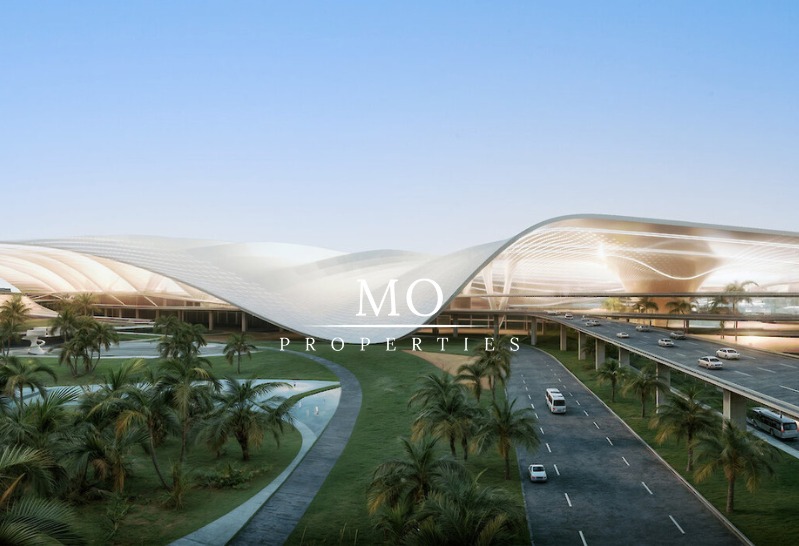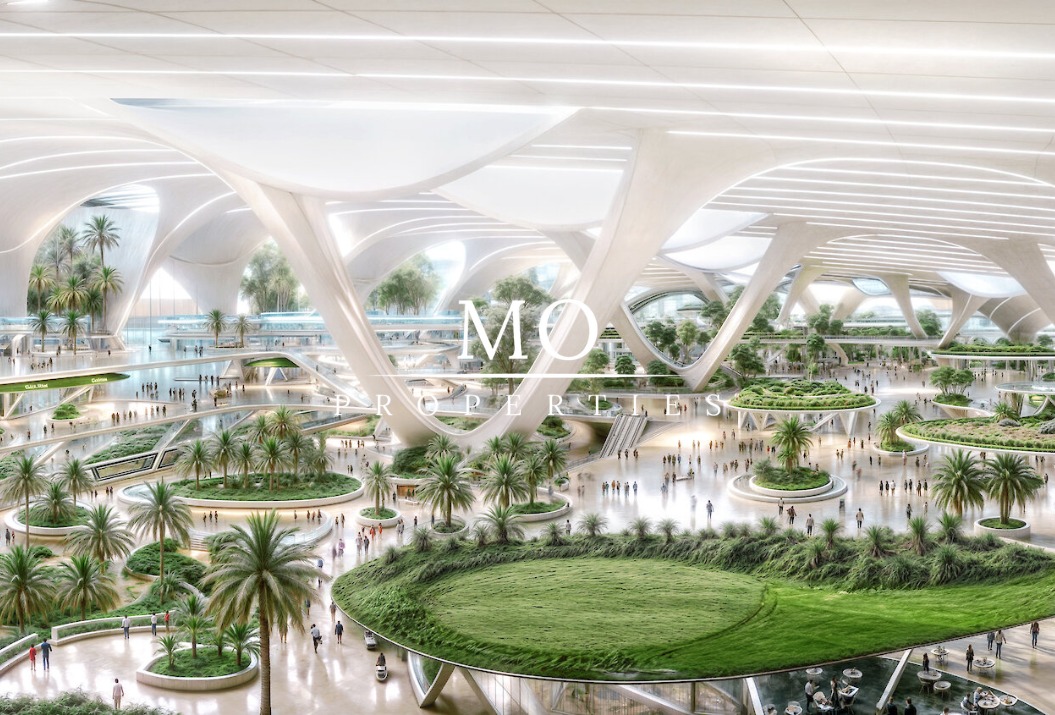
Al Maktoum International Airport, also known as Dubai World Central (DWC), represents one of the most ambitious aviation infrastructure projects in modern history. Built to support Dubai’s long-term vision of becoming the world’s leading aviation and logistics hub, the airport is not just a transportation facility — it is part of a massive economic ecosystem designed to shape the future of global travel, trade, and urban development.
From its strategic location in Dubai South to its planned capacity to become the largest airport in the world, Al Maktoum International Airport is a key pillar in the UAE’s long-term economic diversification and global connectivity strategy.
The Origins and Early Development
Al Maktoum International Airport began as a cargo-focused facility before expanding into passenger operations. Cargo flights officially started in June 2010, marking the first phase of development. Passenger services followed in October 2013, with Wizz Air launching the first commercial passenger flight. Shortly after, airlines such as Jazeera Airways, Gulf Air, and later flydubai began operating from the airport.
The early development of DWC focused heavily on logistics and cargo operations. By 2014, cargo operators had been relocated from Dubai International Airport (DXB) to DWC, transforming it into Dubai’s primary cargo hub serving dozens of global destinations.
This move was strategic. Dubai already had strong passenger traffic through DXB, but cargo and logistics required room for expansion. DWC provided the physical space needed for long-term growth.
Strategic Location and Integration with Dubai South
The airport is located within Dubai South, a massive urban development project near Jebel Ali Port. The vision is not just an airport — but an integrated aviation city that combines:
- Passenger terminals
- Cargo logistics zones
- Commercial districts
- Residential communities
- Industrial and free trade zones
This integrated ecosystem is designed to streamline supply chains, reduce transit time, and create an aviation-centered economic zone.
The location also allows strong connectivity to global shipping routes via Jebel Ali Port, one of the largest ports in the world, further strengthening Dubai’s role as a logistics superpower.
Expansion Plans: Building the World’s Largest Airport
The most remarkable aspect of Al Maktoum International Airport is its future expansion plan. In 2024, Dubai approved a massive AED 128 billion expansion project designed to transform DWC into the world’s largest airport by passenger capacity.
Key expansion targets include:
- Five parallel runways
- More than 400 aircraft gates
- Capacity for 150 million passengers annually within about a decade
- Ultimate capacity of around 260 million passengers annually
- Cargo capacity reaching roughly 12 million tonnes annually
To put this into perspective, the current busiest airports globally handle far fewer passengers. DWC’s final capacity could be more than double that of today’s busiest international airports.
The Transition from Dubai International Airport
Dubai International Airport (DXB) is currently one of the busiest international airports in the world. However, it faces physical space constraints that limit future expansion. As passenger demand grows globally, Dubai needs a next-generation aviation hub.
The long-term strategy is a gradual transition of major operations from DXB to DWC. Rather than a sudden switch, operations will move in phases over the coming decade as new terminals and infrastructure become operational.
Forecasts suggest DXB could reach practical capacity in the early 2030s, making the transition to DWC necessary for continued growth.